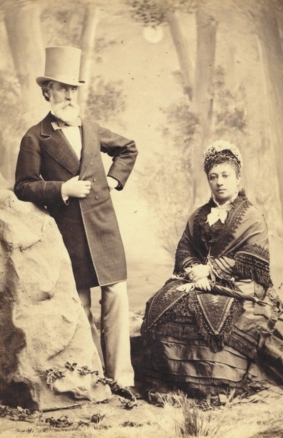
The Bishop Museum, founded in 1889 in Honolulu, is Hawaiʻi’s premier institution for natural and cultural history. It houses the world’s largest collection of Polynesian cultural artifacts and over 24 million natural specimens—including 13.5 million insects and extensive botanical archives—with a mission to preserve and share Hawaiʻi and Pacific heritage. The museum campus spans 15 acres and includes signature galleries (Hawaiian Hall, Pacific Hall, Kahili Room), the Science Adventure Center (complete with erupting volcano simulations), the planetarium, a native Hawaiian garden, and educational buildings.
On-site Field Trips
Guided, place-based learning experiences in galleries and garden—from Pre‑K to 12th grade—such as tours of Hawaiian Hall, planetarium shows, and science exhibits.
Online Learning Center Projects
Utilize the museum’s digital platform for photos, videos, podcasts, and lesson plans covering Hawaiian ecosystems, Earth systems, Hawaiian culture, and marine biology topics.
STEM and Earth Systems Lessons
Use ready-made NASA Celestial Islands lesson plans (Grades 3–5) to model Earth system science, hydrosphere studies, and engineering design connected to Hawaiʻi’s unique environment.
Culture-Based Learning
Participate in Hawaiian food menu activities, rock (pōhaku) explorations, and studies of native plants and animals through the Culture and Science Activities pages.
Volunteer & Docent Programs
Engage as docents to lead museum interpretive tours and learning experiences across exhibit spaces; ideal for educators and community volunteers.
Hawaiʻi & Pacific cultural history: artifacts, royal heirlooms, traditional knowledge systems
Natural history & biodiversity: entomology, botany, Hawaiʻi-specific Earth sciences
STEM & planetarium learning: volcano simulations, ecosystem modeling, engineering design
Place-based and culture-based education: ʻāina-centered programs rooted in Hawaiian worldview
Community engagement: field trips, docent-led interpretation, volunteer opportunities
Professional development: museum mentorship, outreach programming, capacity building